

In today’s complex and rapidly evolving environments, across
healthcare, policy, and organizational systems, even the most capable leaders
need more than strategy, structure, or subject-matter expertise. They need
space: space to think clearly, recalibrate priorities, and grow
intentionally.
That’s what coaching
provides.
At Guidance Global
Consulting, we approach coaching not as a feel-good intervention but as a strategic
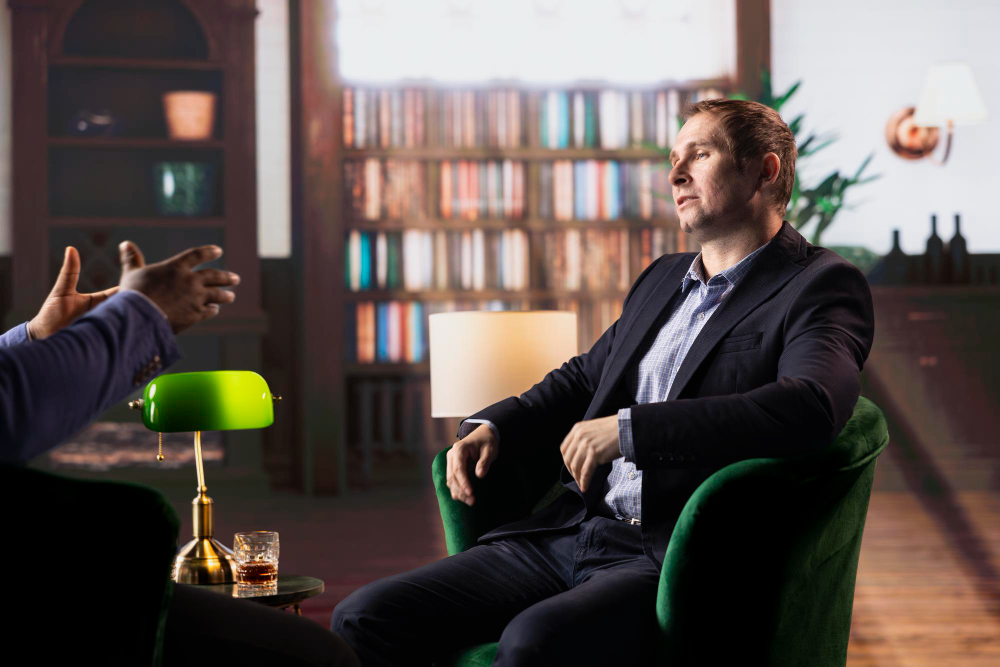
leadership asset. Coaching creates a structured, confidential environment
that enables leaders to pause, step back from the day-to-day, and work on the
bigger picture: their decision-making patterns, communication dynamics,
emotional regulation under stress, and alignment with organizational goals.
It’s not about fixing
people. It’s about unlocking capability and expanding capacity –especially
in times of change.
Coaching Drives
Performance – And the Data Proves It
The return on coaching
isn’t anecdotal – it’s measurable. According to the International Coaching
Federation (ICF):
·
70% of coaching recipients report improved work performance,
stronger relationships, and better communication
·
86% of organizations say they recouped their coaching investment or exceeded it
·
Coaching supports higher levels of executive functioning, emotional
intelligence, and strategic adaptability – all core
competencies for modern leadership
This matters,
especially in today’s environment of constant disruption, burnout risk, and
complex stakeholder demands.
Why High-Performing
Organizations Invest in Coaching
Executive coaching
enables organizations to move from reactive to proactive leadership
development. It equips leaders to:
·
Navigate uncertainty and complexity with greater cognitive
clarity
·
Strengthen influence across matrixed teams and cross-functional
priorities
·
Improve alignment between personal leadership style and
enterprise-wide strategy
·
Build the self-awareness and systems-thinking necessary for
sustained impact
More importantly,
coaching provides a safe but challenging space – one where
real change can happen without judgment, posturing, or pressure to perform.
That space is where clarity returns. Where resilience builds. And where
authentic leadership begins.
Reflection
Leadership is rarely
about having all the answers. More often, it’s about asking better questions –
of your team, your organization, and yourself.
In every engagement,
our goal is the same: help leaders rise to meet the moment with
clarity, courage, and purpose.
Executive coaching is not a perk for a few. It’s a strategic investment in your organization’s future and in the people who shape it every day.